INSPECTION SERVICES
- FULL HOME INSPECTION - .14 Cents Per Sq Ft
- TERMITE INSPECTION - 90.00
- SEWER SCOPE - 75.00
- POOL AND SPA INSPECTION - 50.00
- THERMAL IMAGING - 50.00
- SEPTIC SYSTEM - 100.00
Happy New Year!
January Promo!
50% off
on SEWER SCOPE
valid till January 31st 2026
Limitted time offer only, Book now!
1. Full Home Inspection
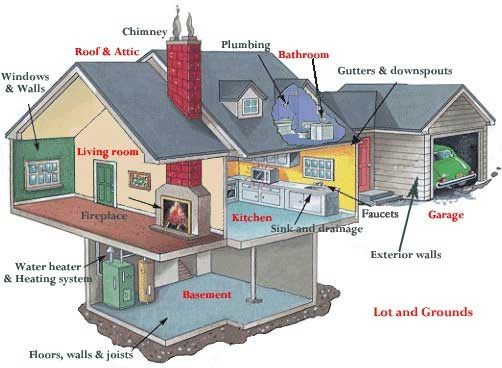
Structural components
- Foundation: The inspector examines the foundation for significant cracks, signs of movement, or water intrusion. In basements and crawl spaces, they look for moisture, mold, rot, and the integrity of support beams.
- Exterior: The assessment includes the grading and drainage of the property to ensure water flows away from the house. The inspector also checks the condition of siding, trim, windows, doors, and exterior structures like decks, porches, and railings.
- Roof: A roof inspection covers the condition of shingles, flashing around vents and chimneys, gutters, and downspouts. The inspector looks for signs of leaks or damage and assesses the roof's overall integrity.
- Attic: The attic is inspected for adequate insulation and ventilation, as well as for signs of water stains, leaks, or pests.
- Interior: The inspector checks the condition of walls, ceilings, and floors for cracks, stains, or unevenness. They also test doors and windows to ensure they open and close properly.
Major systems
- Electrical system: This includes checking the main electrical panel, wiring, light switches, and outlets. The inspector verifies proper grounding and looks for outdated or faulty components, such as exposed wiring or insufficient capacity.
- Plumbing system: All visible plumbing is inspected for leaks, corrosion, and proper function. The inspector tests faucets, toilets, and showers for adequate water pressure and drainage. The water heater is also checked for its age and condition.
- Heating, Ventilation, and Air Conditioning (HVAC): The inspector tests the heating and cooling systems to ensure they are working properly and looks at the condition of the units, ductwork, and filters.
- Fireplaces and chimneys: If applicable, the inspector checks the condition of the chimney and flue for any cracks, damage, or buildup.
- Appliances: Built-in appliances, like the stove, microwave, and dishwasher, are tested to make sure they are functional.
Safety features
- Fire and carbon monoxide safety: The inspector confirms the presence and proper location of smoke and carbon monoxide detectors.
- Garage doors: Automatic garage door openers and their safety sensors are checked for correct operation.
What happens after the inspection
- Receive a report: You will receive a detailed report that lists any defects, safety issues, or recommended repairs.
- Negotiate with the seller: The report gives you leverage to negotiate a lower price, request repairs from the seller, or, if major issues are found, decide to walk away from the deal.
- Consult with professionals: It can be helpful to discuss the report with your real estate agent and the inspector to understand the findings and your options.
Why a full inspection is important
- Identifies hidden problems: It uncovers issues that aren't obvious during a walk-through, such as those hidden in walls or basements.
- Informs your decision: It provides critical information about the home's condition before you finalize the purchase.
- Reduces risk: It helps you avoid purchasing a home with costly future repairs.

2. Termite Inspection
A termite inspection is a thorough examination of a property to find signs of termite activity, damage, or conditions that might attract them. Professionals use specialized tools like moisture meters and thermal imaging cameras, alongside a visual check of common areas like the foundation, subfloor, attic, and exterior. A report detailing findings and recommendations is then provided.
What a termite inspection involves
- Interior and exterior examination: Inspectors systematically check all accessible areas of the house and the surrounding property.
- Visual cues: They look for obvious signs such as mud tubes, discarded wings, or frass (termite droppings).
- Damage assessment: Inspectors tap on wood to listen for a hollow sound, which can indicate internal damage, and probe wood to check for softness.
- Moisture detection: They use moisture meters to find damp areas that attract termites.
- Specialized tools: Professional equipment like thermal imaging cameras and termite detection devices may be used to find activity that isn't visible to the naked eye.
- Structural check: They inspect areas like the foundation, baseboards, window and door frames, and attics for signs of termite activity and damage.
What to expect during the inspection
- Systematic approach: The process is methodical, moving from the interior to the exterior and checking every accessible area, including crawl spaces and attics.
- Documentation: The inspector will compile their findings, possibly with photos and a risk rating, into a clear report.
- Recommendations: A treatment plan may be recommended if termites are found, or preventive measures if none are detected but risk is present.
Why a termite inspection is important
- Early detection: Termites can be difficult to spot, so a professional inspection is necessary to catch them before they cause significant damage.
- Prevention: Identifying and addressing conducive conditions can help prevent future infestations.
- Peace of mind: Regular inspections provide reassurance that your home is protected.
3. Sewer Scope
A sewer scope inspection uses a specialized camera to examine the inside of a home's main sewer line for problems like cracks, clogs, root intrusion, or blockages. This service is often recommended during a home purchase or for older homes and can help detect issues before they become costly repairs.
What it is
- Camera inspection: A professional inserts a small, waterproof video camera attached to a flexible cable into the sewer line through a cleanout or drain.
- Live feed: The camera transmits a live video feed to a monitor, allowing the inspector to see the condition of the pipe's interior.
- Scope: The inspection runs from the home's connection to the city sewer main or septic tank.
What it checks for
- Blockages: Debris, grease, or other obstructions that can cause clogs.
- Pipe Damage: Cracks, breaks, collapses, or separated joints.
- Root Intrusion: Tree roots growing into the pipe through cracks, which can cause significant damage.
- Corrosion and decay: Rust, scale, or deterioration of the pipe material.
Why it's important
- Avoid costly repairs: A sewer scope can reveal problems early, saving you from major, expensive repairs down the line.
- Essential for home buyers: It provides crucial information about a hidden but vital part of the home, which can be used for negotiation with the seller.
- Proactive maintenance: Regular inspections can help identify issues before they worsen and cause property damage or health hazards from backups.
When to get one
- When buying an older home (especially those built before 1985) or a home with mature trees.
- If you notice signs of trouble, such as persistent slow drains, foul odors, or unusually lush patches of your lawn.
4. Pool and Spa Inspection
A pool and spa inspection is a non-invasive examination of a pool or spa's structure, equipment, and safety features to identify defects and ensure proper functionality. The inspection covers everything from the pool's structural integrity and water quality to the pumps, filters, heaters, and electrical components, including a check of surrounding safety measures like fences and alarms.
What is checked during a pool and spa inspection
- Structural integrity: The condition of the pool's surfaces, tiles, deck, coping, and any visible cracks or deterioration.
- Equipment and systems: Proper function of the pump, filter, heater, and any other components like a spa's jet system or blower.
- Water quality: Checks for the proper chemical balance, including pH, chlorine, alkalinity, and calcium hardness.
- Electrical components: An examination of electrical supply, including lighting and safety features like GFCI outlets.
- Safety features: A review of the pool's safety measures, such as fences, gates, latches, alarms, drain covers, and anti entrapment devices.
- Surrounding areas: The condition of the pool deck and any other features that could pose a safety risk.
What is a material defect
- A material defect is a specific issue that significantly impacts the property's value or poses a significant risk to health and safety.
- The inspection will report on material defects and their causes, often providing recommendations for repairs or further evaluation.
- The inspection is not designed to uncover every possible issue, such as concealed defects or cosmetic problems.
5. Thermal Imaging
Thermal imaging uses an infrared camera to detect temperature differences, allowing home inspectors to find hidden issues like moisture intrusion, insulation gaps, and electrical problems that are not visible with the naked eye.
This non-invasive technology can pinpoint problems such as leaks, poor insulation, and hot spots in electrical wiring, helping to prevent costly damage and improve energy efficiency. While it can indicate where moisture might be, it cannot see through walls and requires further investigation to confirm the source of the issue.
What thermal imaging detects
- Moisture and water leaks: It can identify areas with water intrusion behind walls, ceilings, or under floors, which may appear as cooler spots on the thermal image. Early detection can prevent mold growth and structural damage.
- Insulation problems: It clearly shows areas where insulation is missing, insufficient, or improperly installed, which can lead to drafts and energy loss.
- Electrical issues: Thermal camera can identify 'hot spots" in electrical wiring, which may indicate overloaded circuits or faulty connections that could pose a fire risk.
- HVAC system performance: It can be used to assess the performance of heating and cooling systems by identifying temperature variations in ductwork or other components.
- Structural defects: Uneven heating patterns can sometimes point to potential foundations or framing problems.
- Pest infestations: It can sometimes detect the body heat off pest infestations, such as rodents or insects, behind walls or under floors.
What it cannot do
- See through walls: A thermal camera cannot see through solid objects. It measures surface temperatures, so it can only indicate what is happening on or just below the surface.
- Diagnose moisture directly: While it can show temperature differences that suggest moisture, it cannot see moisture itself. A cooler spot could be due to moisture or something else, so further investigation with tools like a moisture meter may be needed.
How it works in an inspection
- Non-invasive: Thermal imaging is a non-destructive way to assess a home's condition without damaging any materials.
- Supplemental report: If a thermal inspection is performed, the findings are typically included in a separate, supplemental report that includes both thermal and standard images of the detected anomalies.
- Proactive approach: The goal is to identify potential issues early, before they become major and costly problems.
6. Septic System
A septic system home inspection is a comprehensive evaluation of a home's wastewater treatment system, which is essential to ensure it is functioning correctly and to avoid costly future repairs. During an inspection, a professional will visually examine the tank and drain field for leaks, check the structural integrity of the tank and baffles, measure the levels of scum and sludge, and perform system tests like running water through it to check for proper drainage. The inspector will then provide a detailed report on the system's condition.
What the inspection involves
- Visual inspection: The inspector checks the area around the tank and drain field for signs of leaks, pooling water, or odors.
- Tank and pipe assessment: The septic tank is opened to check for structural damage, corrosion, and blockages in the inlet and outlet pipes. The baffles are inspected to ensure they are intact and properly positioned.
- Sludge and scum measurement: The levels of scum (on top of the liquid) and sludge (at the bottom) are measured to see if the tank needs pumping. A common guideline is that the total depth of scum and sludge should not exceed 18 inches, and the scum layer should be less than 6 inches and the sludge layer less than 12 inches.
- System testing: A "hydraulic load" test is performed by running water through the system to observe the drain field's performance, checking for proper drainage and to see if anything is backing up or surfacing. Dye tests may also be to trace leaks.
- Reporting: The final report outlines the findings, identifies any problems, and recommends necessary repairs or maintenance.
Why it's important
- Prevents future costs: A septic system is a major and expensive component of a home. An inspection can help identify issues before they lead to a complete system failure, which could cost tens of thousands of dollars to replace.
- Ensures proper function: It confirms the system is handling the home's wastewater properly, which is crucial for health and safety.
- Aids in the home-buying process: A septic inspection is essential for a buyer to understand the true condition of the property and to have leverage for negotiations or to back out of the purchase if major issues are found.
- Protects the environment: A malfunctioning system can release harmful bacteria and chemicals into the environment.
Frequency
- A professional inspection should be performed as part of the home buying process and then typically once a year.
- Most septic tanks should be pumped every 3 to 5 years, depending on tank size, household size, and water usage habits.